


Ukraine 128th Zakarpattia Mountain Brig

Sep 7, 2025 6:17 AM
Updated Sep 7, 2025 8:06 AM
By Kris Osborn, Warrior
Cage armor surrounding tanks, ground-fired interceptors, AI-enabled targeting, proximity fuses and advanced EW are all now being used in Ukraine and the Middle East to stop drone attacks. The world is observing war-inspired counter-drone innovations surging into combat at a staggering and unprecedented pace, and the Pentagon is fast-expanding its counter-drone initiatives to quickly harness lessons learned from the ongoing wars.
This circumstance, and the related need to protect the US Homeland, provided the inspiration for the recent creation of the Pentagon's Joint Interagency Task Force 401.
"We're moving fast — cutting through bureaucracy, consolidating resources, and empowering this task force with the utmost authority to outpace our adversaries," Defense Secretary Pete Hegseth said in a Pentagon statement.
The new Task Force designates the Army as the Executive Agent of a "Joint," "Multi-Service" Task Force aimed at studying ---- and quickly integrating --- lessons learned from Ukraine and other key global areas where drone attack technologies are being used and expanding. The arrival of this Pentagon Task Force aligns with ongoing work at the Army-led C-UAS University, Ft. Sill, Okla., currently studying operational uses of drone countermeasures throughout the world.
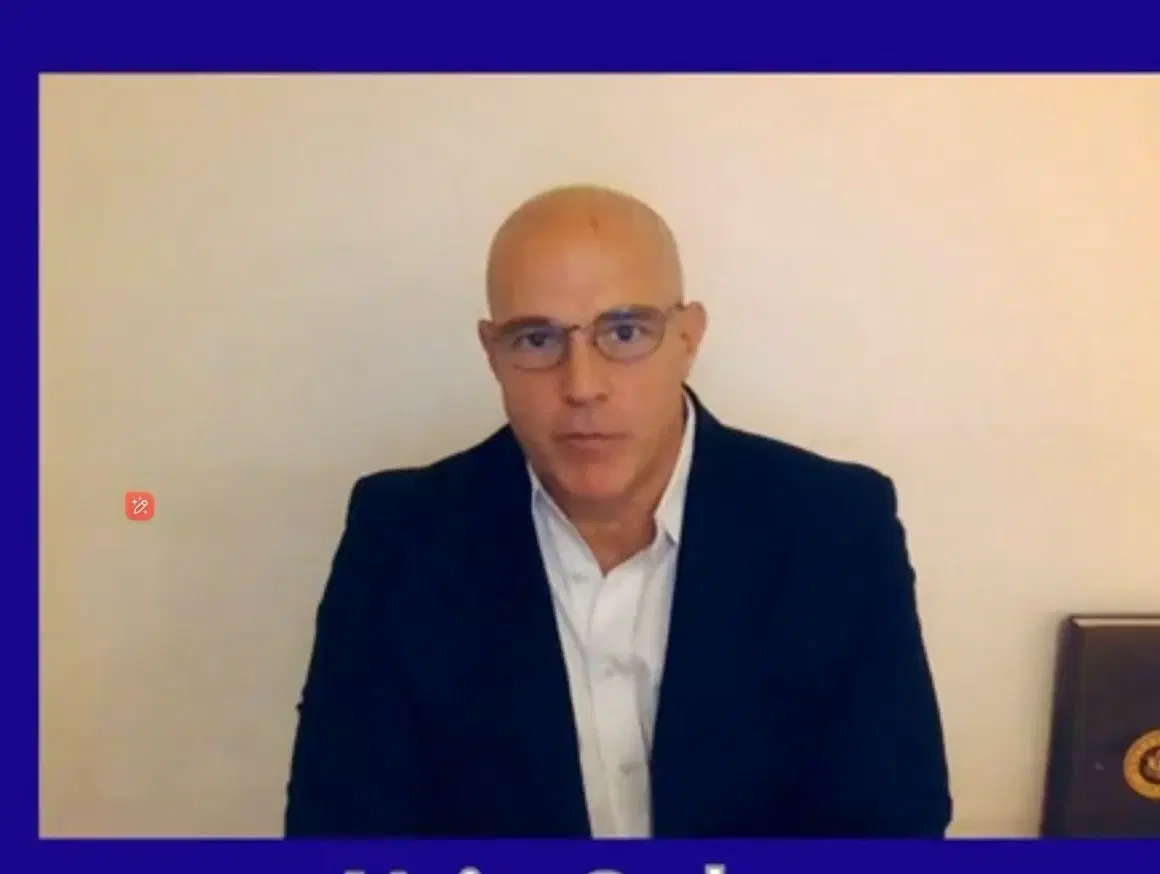
"Here at the schoolhouse we help provide the lessons because we are part of a broader lessons learned effort. We go out to Europe and all the different COCOMs (Combatant Commands) to pull back those lessons and we implement them into training here. We have to be adaptable to the threat as it changes over time," Lt. Col. John Peterson, Director C-UAS University, Fort Sill, Okla.
Intercept Enemy Drone Signal
A particularly promising EW C-UAS method being used in Ukraine and the Middle East uses AI-supported RF to intercept the protocol of an enemy drone's signal and jam or take over an attacking drone; the RF signal from an enemy drone can be intercepted and compared against an existing database of known drones to identify and "jam" or "disable" the attacking drone. An AI-enabled system can use advanced algorithms to perform near real-time analytics Peterson stressed, however, that signals and frequencies are often changed by drone operators, so drone attack defenders using EW and "kinetic" or "explosive" methods need to keep pace and adapt. Defending against a drone swarm attack increasingly required a layered mixture of kinetic and non-kinetic countermeasures, Peterson said.
"If we understand the signals they're operating on, that becomes fairly easy. Unfortunately, the enemy gets a vote and they have an opportunity to adjust how they execute their tactics, techniques, and procedures, and we have to be adaptable to that. And that's where, you know, you kind of got to layer your capabilities in between non-kinetic capability and potentially kinetic capability or multiple levels of non-kinetic capability so you have different types of effectors that can do different things to potentially get after that threat," Peterson said.
C-UAS University is also looking at leveraging global counter-drone lessons learned for the purpose of strengthening base protections, something of great relevance to the emerging Golden Dome effort.
"We actually trained instructors for the installation counter-UAS protection course as part of our four courses we run here at C-UAS. What we're doing is we're pulling in all the different services along with interagency folks to come take this training to help them establish their installation protection capabilities. We are also working with local law enforcement," Peterson explained
"Everybody has got to be in kind of the same mindset when it comes to this threat to the installation because most threats are not going to originate from the installation, they're going to originate outside the installation and target installations. So we are building relationships across the board with all the services and all the interagency folks to help build a cohesive capability to protect our critical assets, CONUS and OCONUS," Peterson said.
Kris Osborn is the President of Warrior Maven – Center for Military Modernization. Osborn previously served at the Pentagon as a highly qualified expert in the Office of the Assistant Secretary of the Army—Acquisition, Logistics & Technology. Osborn has also worked as an anchor and on-air military specialist at national TV networks. He has appeared as a guest military expert on Fox News, MSNBC, The Military Channel, and The History Channel. He also has a Masters Degree in Comparative Literature from Columbia University
Sponsored by ELBIT AMERICA


Comments

Powered by RoundtableBuilt on infrastructure designed for real-time media. Learn more at RTB.io.© Roundtable 2026. By using this site you agree to the Terms of Use and Privacy Policy